










































































Ontario's No-fault Insurance
What is it?
How does it work?
Here's an example
What to do if you don't agree
Ontario has a "no-fault" car insurance system. But
this doesn't mean that no one is at-fault in an accident.
"No-fault" insurance means that if you are injured
or your car is damaged in an accident, then you deal with your own
insurance company, regardless of who is at-fault. You don't have to
go after the at-fault driver for compensation.
Similarly, if any passengers in your car is injured, then he/she
has a car insurance policy of his/her own will approach his/her own
insurance company for benefits. If your passengers don't have a car
insurance policy of their own, then your insurance company may pay
benefits to them. The driver of the other car involved in the
accident will claim benefits from his/her own insurance company.
Someone is always deemed to be "at-fault" in a car
accident, whether partly or fully. The law requires insurance
companies to assign the percentage of fault for each of the drivers
involved in the accident. This is done by using the "Fault
Determination Rules".
These rules, which are set out in a regulation under the Insurance
Act, help insurance companies deal with accident claims quickly and
economically. The Fault Determination Rules differ from any charges
laid by the police under the Highway Traffic Act.
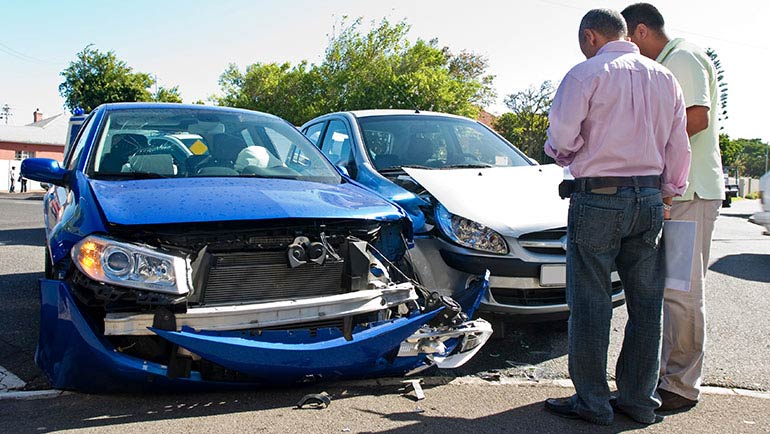
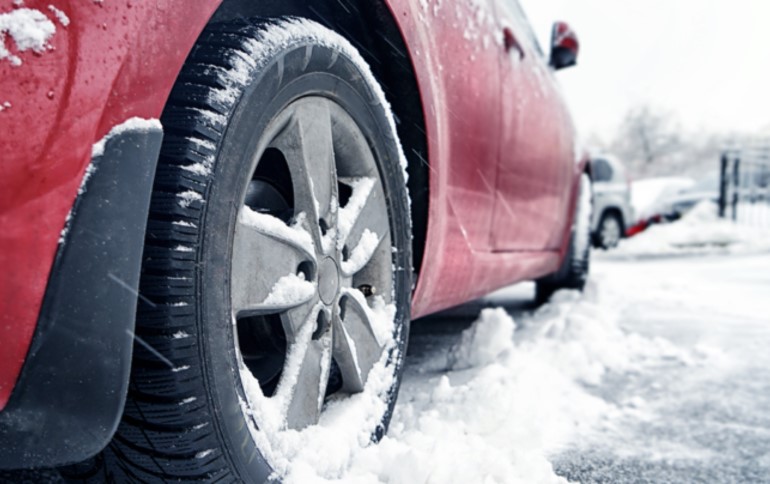
Say you were unable to stop your car on an icy road. You rear-ended
another car and the police officer told you that "no one
was at-fault". This usually means that no police charges
will be laid. It does not mean that the insurance companies
involved will not consider who was at-fault. In this case, the
insurance company would apply the Fault Determination Rules. This
states that a car that rear-ends another car is at-fault (since
drivers are required to take road conditions into
consideration).
Your percentage of fault will determine the amount of deductible
you have to pay. Generally, if you're fully or partially at fault
in an accident, insurance companies will increase your premiums at
your next renewal date.
Don't agree with the way in which your insurance company has
determined fault? Then contact the person your insurance company
has appointed to deal with consumer complaints. This is usually the
company's Ombudsman Liaison Officer. If your complaint is still not
resolved, you may contact the Ontario Insurance Ombudsman. If
you're still not satisfied with your insurance company's position,
you may choose to go to court. |