

You are now leaving our website and entering a third-party website over which we have no control.
Water Damage Coverages
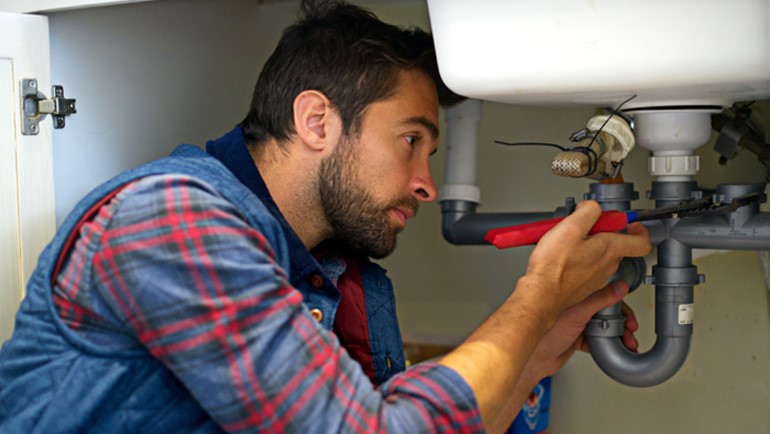
Water damage is the most common cause of property damage in Canada,1 a claim to fame" that isn't likely to change in the near future. Recent research into the effects of climate change predicts an increase in extreme rainfall events2 such as heavy rain. And in the summer of 2024 alone, flooding caused by extreme weather events resulted in close to $3.5 billion in insured losses3 — an amount that surpassed the total $3.1 billion in insured losses from extreme weather and catastrophic events in all of 2023.4
In practical terms, this means water and flood damage can be a huge headache for Canadian homeowners. So, whether you're dealing with water damage from a flooded basement or a major leak, having the right water damage coverages can help save you from a lot of stress and expense.
Is water damage covered by insurance in Canada?
You can get insurance coverage in Canada for different types of water damage. The specific water damage coverages you have will depend on your insurer's standard home insurance policy and any optional coverage you may have purchased to add onto your policy.
Is water damage covered by TD Insurance?
Yes, TD Insurance's home insurance policy provides coverage for specific types of water damage. For example, our standard home policy includes protection for sudden and accidental water damage caused by events such as:
- Heating system rupture
- Plumbing system rupture
- Sprinkler system rupture
- Leakage of water from a hot water tank†, dishwasher or other domestic appliances
- Escape of water from a public watermain that carries drinking water
Plus, our Extended Water Damage Coverage, Ice Damming and Roof Drain Backup Coverage, and Above Ground Water Coverage endorsements are available as add-ons to our standard home policy.‡
Is your home going to be unoccupied? One important thing to keep in mind: Be sure to check in with us if your home will be unoccupied. Depending on the situation and the length of time it will be unoccupied, your home may be considered vacant, which would impact your current coverage. If this is the case, contact us for guidance on the coverage that's best suited for a vacant home.
What types of water damage coverage add-ons does TD Insurance offer?
The table below outlines the types of water damage coverage add-ons TD Insurance offers. Adding additional water damage coverage to your home policy can give you that extra bit of confidence that comes from knowing you have protection for several types of water damage losses.
Extended Water Damage Coverage‡ |
Above Ground Water Coverage‡ |
Ice Damming and Roof Drain Back-up Coverage‡ |
|
|---|---|---|---|
What It Covers |
Focuses on situations related to below ground and surface water that are not covered by home insurance. Coverage against sudden and accidental water damage, including flooding caused by*:
*Some exclusions may apply. |
Coverage against sudden and accidental water damage caused by*:
*Some exclusions may apply. |
Coverage against the sudden and accidental water damage caused by ice dams. Ice dams happen when melting snow freezes along the edge of your roof, creating a dam which forces water under your shingles and into your home. With Ice Damming and Roof Drain Backup protection, you'll have coverage against sudden and accidental water damage caused by*:
*Some exclusions may apply. |
Can I get flood insurance in Canada?
Yes, but it's important to know that your coverage will depend on how your home policy defines the word "flood". So, be sure to read your policy and check with your insurer if you have any questions or concerns about the coverage you already have. Depending on the type of flood damage you want protection for, you may need to purchase optional add-on insurance to enhance your base coverage.
If, for example, you want coverage for flooding caused by heavy rains or a freshwater overland flood, you'd usually need to add on optional water damage coverage, as most standard home policies won't provide coverage for this type of flood damage.
What is comprehensive water coverage?
Comprehensive water coverage isn't a specific insurance product you can buy, nor is "comprehensive water coverage" a defined term in home policies. Instead, "comprehensive water coverage" is typically used in an informal way to describe having a broad range of water damage coverage that goes beyond the basic water damage protection offered in most standard home policies.
In practice, having comprehensive water coverage usually means combining the water damage coverage under a standard home policy with specific water damage coverage add-ons to provide protection for different types of water-related damage.
Am I covered? Water damage examples and how they're covered
Water damage can happen in many different ways, and whether you're covered will typically depend on where the water comes from and how it enters your home. So, it's not always obvious what coverage you'd need based on the damage alone.
Here's a look at some common water damage scenarios, and how they're typically covered under a home insurance policy at TD Insurance:
If this happens: |
Coverage required: |
A water pipe behind a wall suddenly bursts overnight, and you wake up to soaked drywall and a mini flood in your bathroom. |
Standard home policy coverage |
Heavy rainfall overloads the local sewer system, causing raw sewage to backup through your floor drain and into your basement. |
Extended Water Damage Coverage add-on‡ |
A warm spell quickly melts the snow on your roof, overwhelming downspouts and causing meltwater to seep into your home as it runs down your exterior walls. |
Above Ground Water Coverage add-on‡ |
| Repeated freeze-thaw cycles create ice dams along the edge of your roof, forcing meltwater under the shingles and into your attic. | Ice Damming and Roof Drain Backup Coverage add-on‡ |
A washing machine hose suddenly ruptures while you're doing a load of laundry, sending water across the floor and into the basement below. |
Standard home policy coverage |
A nearby stream rises and overflows after days of intense rain, causing a freshwater flood that flows over land and into your home. |
Extended Water Damage Coverage add-on‡ |
The wind from a severe storm drives rain into your home through a vulnerable area around a roof vent. |
Above Ground Water Coverage add-on‡ |
Your roof drains become blocked by ice and snow, causing water to back up and leak into your attic. |
Ice Damming and Roof Drain Backup Coverage add-on‡ |
Need to file a water damage claim?
If you're an existing TD Insurance customer and you encounter water damage to your home or belongings, please contact us so we can review your TD Insurance policy coverage and potentially start a claim. You can also:
- Start a claim via the TD Insurance Mobile App or review and manage your coverage online with MyInsurance.
- Get in touch with a TD Insurance Advisor to review your coverage or a TD Insurance Claims Advisor to start a claim.
Not a TD Insurance customer yet? Get your free TD Insurance Home Insurance quote
Sources:
1https://www150.statcan.gc.ca/n1/pub/11-621-m/11-621-m2024003-eng.htm
The content on this page is for general information purposes only and does not constitute legal advice. Coverages described herein may be subject to additional eligibility criteria, limitations and exclusions. In the event you make a claim, potential indemnification is also subject to the receivability of the claim and the type of coverage you bought.
In the case of conflict between the content on this page and your policy wordings, your policy wordings shall take precedence.
†Water heater tank(s) need to be replaced before the age reaches 15 years or older to avoid an exclusion of coverage. Loss or damage caused by water originating from your water heater tank(s) will not be covered if the manufacturing date is 15 years or older.
‡All add-on coverages are subject to eligibility and have a separate premium.